Preserving Lifelines: Springs of Adukkam
A Natural Treasure in the Palani Hills
Nestled in the lush Western Ghats, at an elevation of 1,200 metres, the villages of Adukkam are home to a precious yet often overlooked natural resource — water springs. These springs, where groundwater emerges naturally to the surface, are essential for sustaining the local communities, agriculture, and rich biodiversity of the region.
Yet, many of these springs remain unidentified and neglected, risking contamination and depletion. To address this issue, the Palani Hills Conservation Council (PHCC) launched a proactive initiative to identify, restore and maintain water springs across these villages.
Why Water Springs Matter
Springs are nature’s own fountains, formed by geological processes that guide groundwater to the surface. Often clear and cool, spring water is vital for both people and ecosystems. These springs are crucial for:
- Drinking water
- Irrigation and farming
- Livelihood and culture
- Ecosystem health and biodiversity
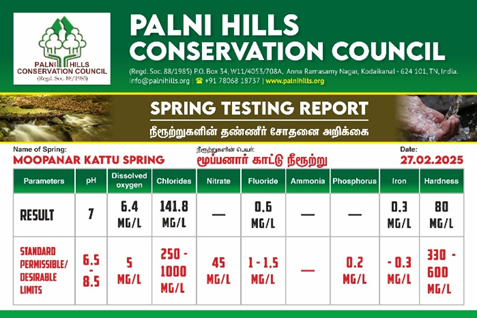
PHCC plays a critical role in testing water quality, implementing sustainable treatment measures, and educating local communities on spring maintenance.
Springs of Adukkam: Lifelines Revived
PHCC has identified and restored five fresh water springs in Adukkam, each with its own unique significance and utility:
Aiyer Keel Oothu: Located near the 10th hairpin bend on the road from Periyakulam to Perumal Malai, this spring is primarily used for agricultural purposes.
Aiyer Mel Oothu: Found near the 11th hairpin bend on the same route, this spring also supports local irrigation.
Aiyer Oothu 3: Another important agricultural spring, situated near the 11th bend on the Periyakulam–Perumal Malai road.
Adukkam Oothu: Situated within Adukkam village, this spring was once the main source of drinking water for residents. Today, it continues to serve both drinking and irrigation needs.
Thamarai Kulam Oothu: Located in Moolaiyur, en route to Perumal Malai from Adukkam, this spring is a sacred water source for the Paliyar Tribal community and remains vital for their daily consumption and cultural practices.
Voices from the Community
The impact of PHCC’s work is best expressed through the people whose lives have been transformed:
“Since PHCC began maintaining the spring, water scarcity in Adukkam has reduced drastically. It’s been life-changing.”
— Shaktivel, 40, Adukkam
“The Thamarai Kulam spring is sacred to us. With PHCC’s help, we’ve restored it and honour it during festivals.”
— Kumaresan, 40, Paliyar Tribe
“As a farmer, water is everything. Our yields have improved because of the revived spring.”
— Meenakshi Ammal, 55, Adukkam
“We no longer walk miles for clean water. The spring is now safe, reliable, and close to home.”
— Suresh, 45, Thamaraikulam
“Thanks to the spring, my kitchen garden thrives, and I earn extra income by selling vegetables.”
— Lakshmi, 50, Adukkam
“Water security used to be a big worry. Now, we feel safe knowing the spring is here and maintained.”
— Nandini, 32, Adukkam
A Sustainable Future
Through its spring conservation efforts, PHCC is not just preserving water — it is safeguarding livelihoods, honouring tribal traditions, and protecting the fragile ecology of the Western Ghats. The initiative sets a replicable model for community-based water stewardship across India’s hill regions.
As climate change and water scarcity intensify, these rejuvenated springs offer hope — a testament to how local action and ecological awareness can restore balance and sustainability in rural communities.
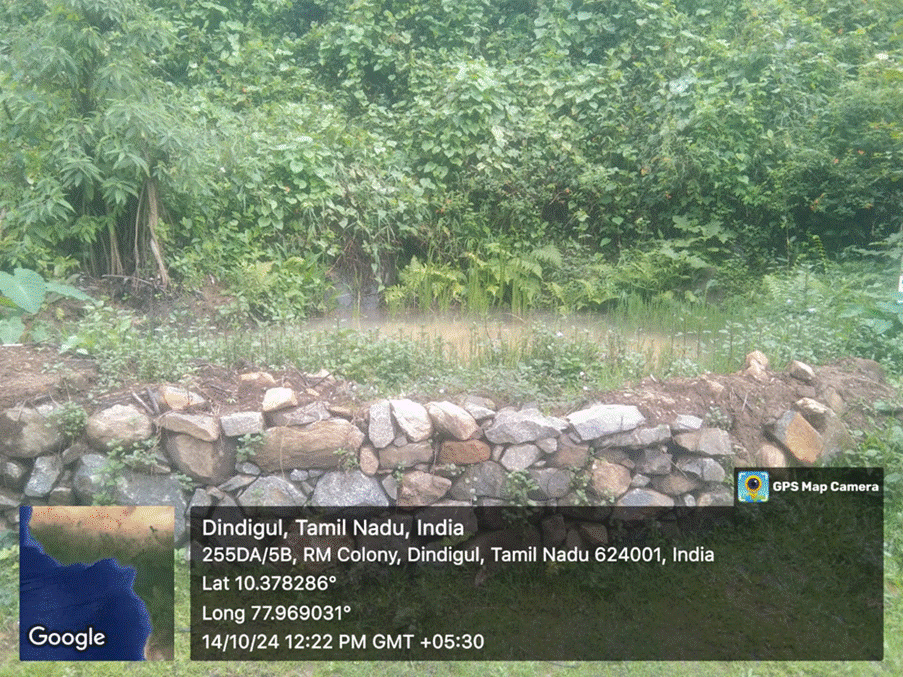
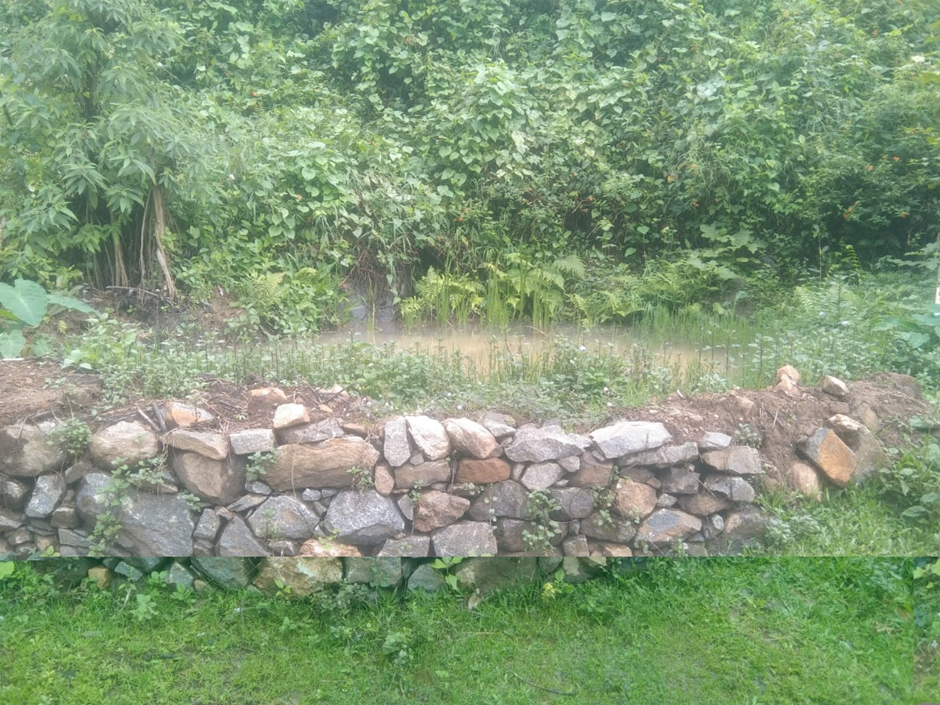
Aiyer Keel Oothu
This water spring is located near the 10th hairpin bend on the road from Periyakulam to Perumal Malai. The water from this spring is primarily used for agriculture.
Aiyer Mel Oothu
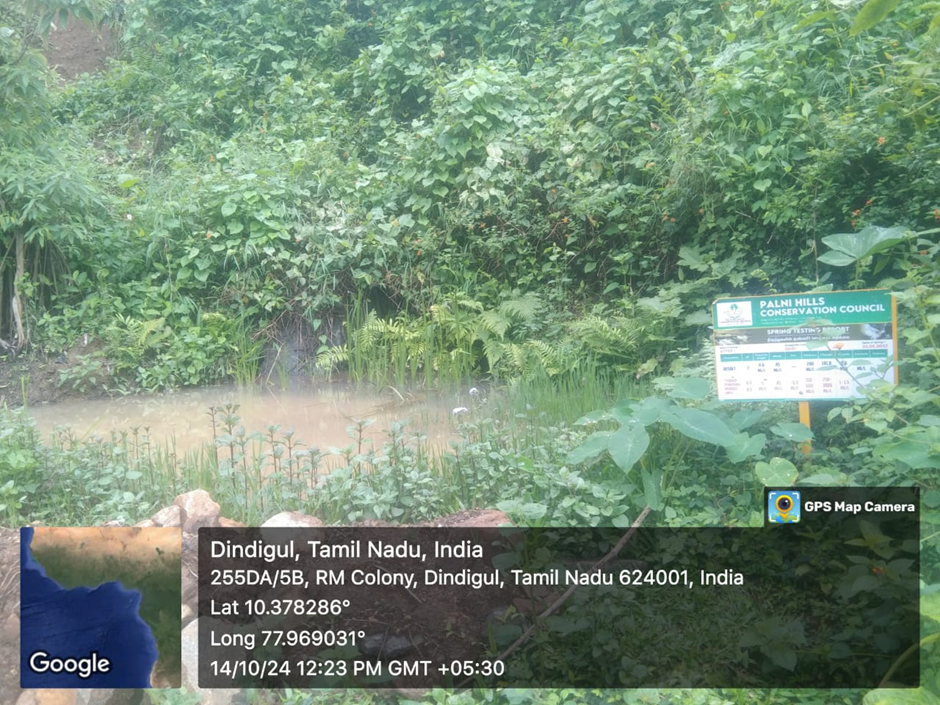
Located near the 11th hairpin bend on the road from Periyakulam to Perumal Malai., this water spring is also used for agricultural purposes.
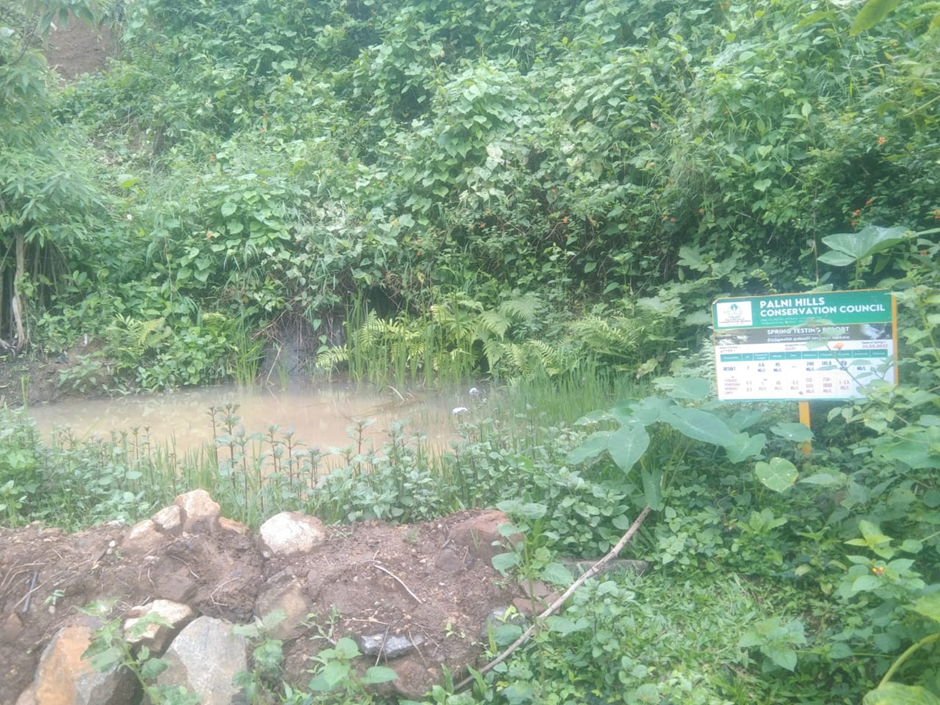
Aiyer Oothu 3
This spring can be found at the 11th bend on the road from Periyakulam to Perumal Malai. The water is used for agricultural activities.
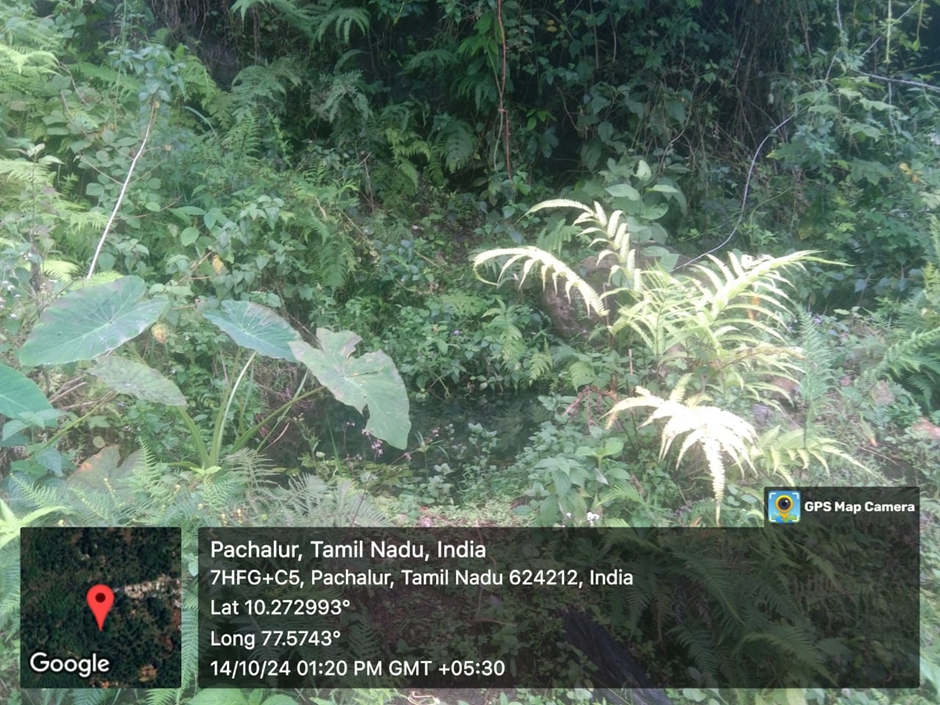
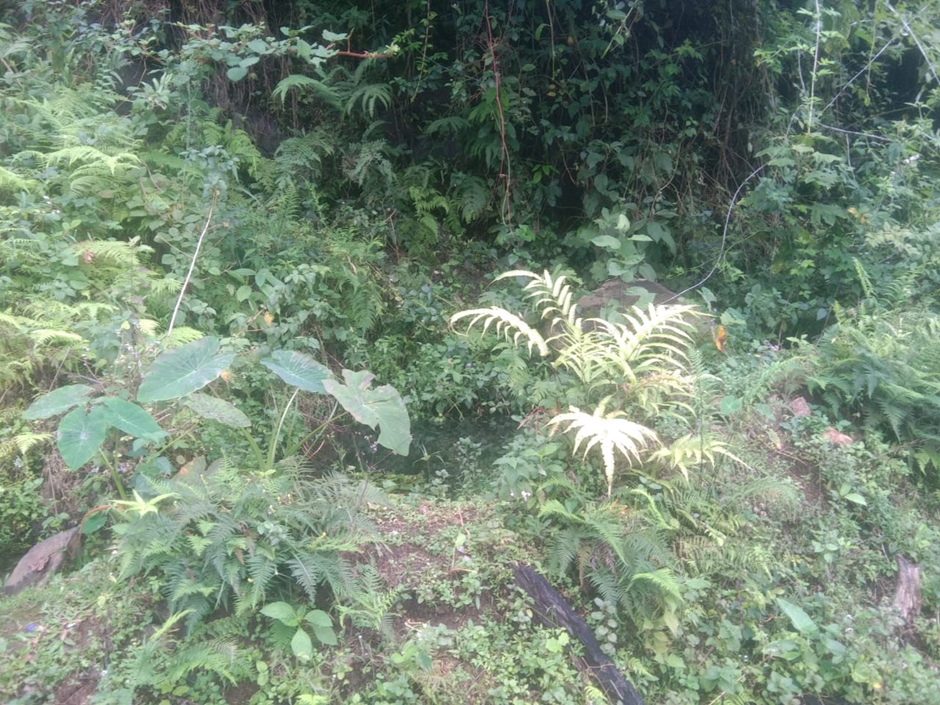
Adukkam Oothu
Situated on the road from Adukkam to Perumal Malai, this spring provides water for both drinking and agricultural use. It was once the primary source of drinking water for the residents of Adukkam before the installation of municipal water pipelines.
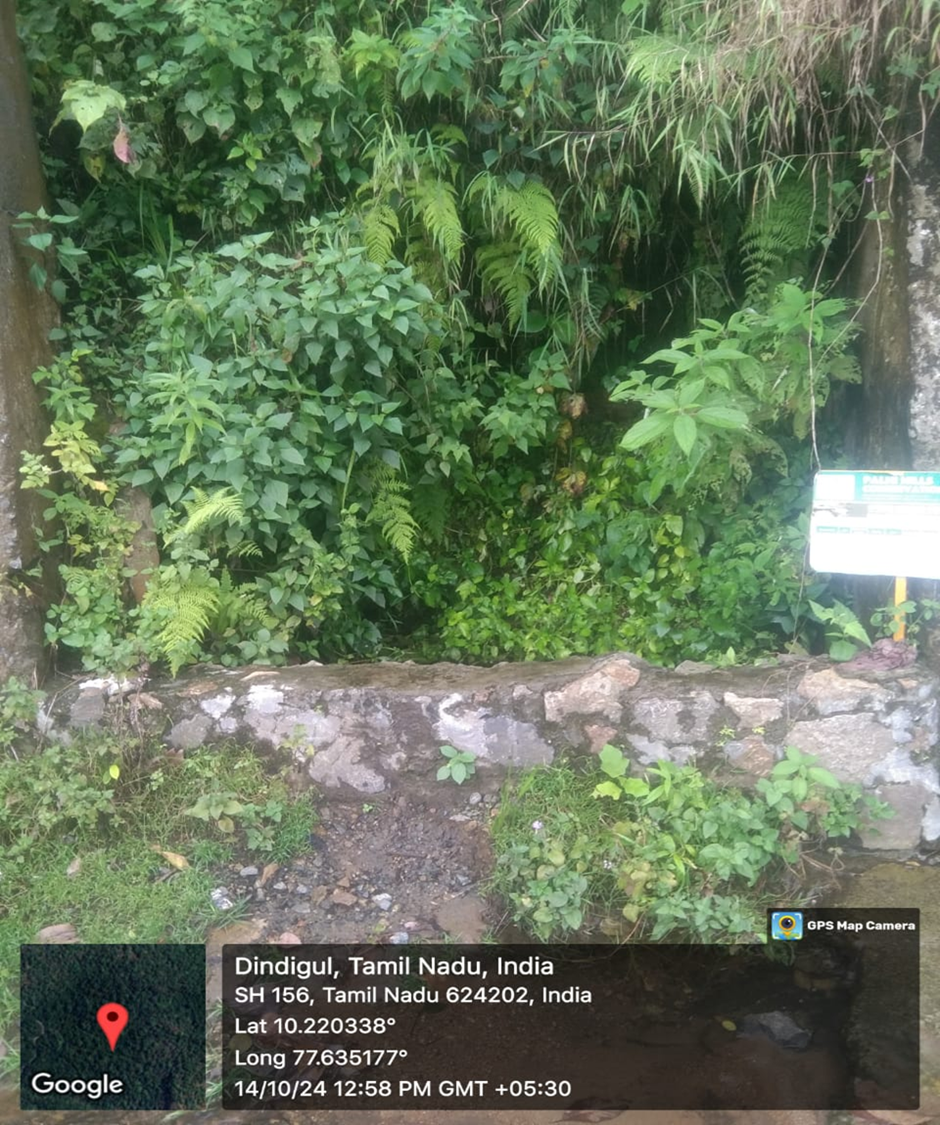
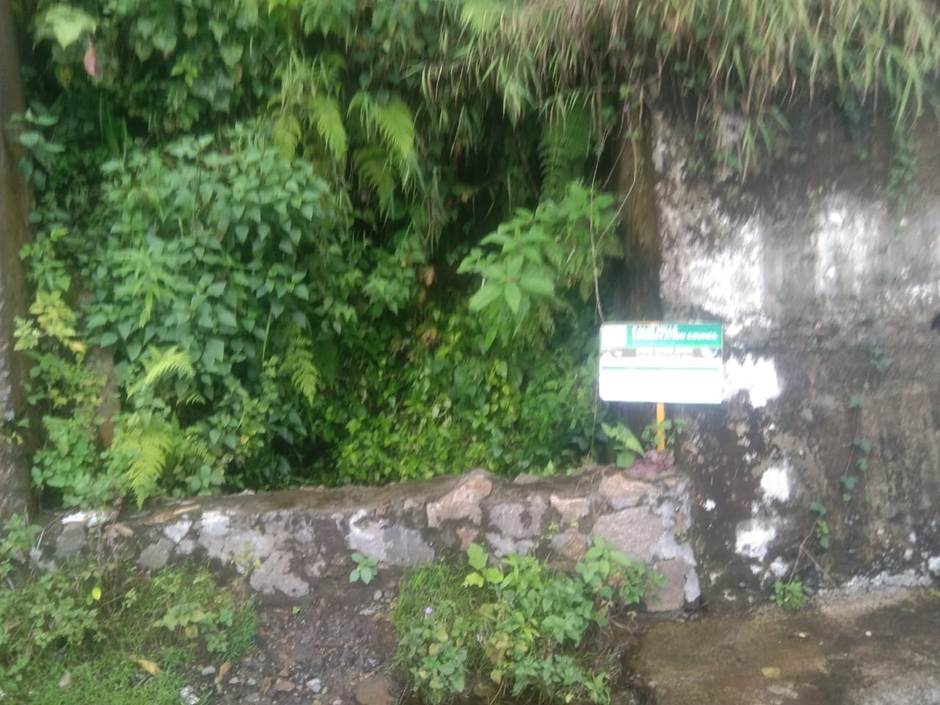
Thamarai Kulam Oothu
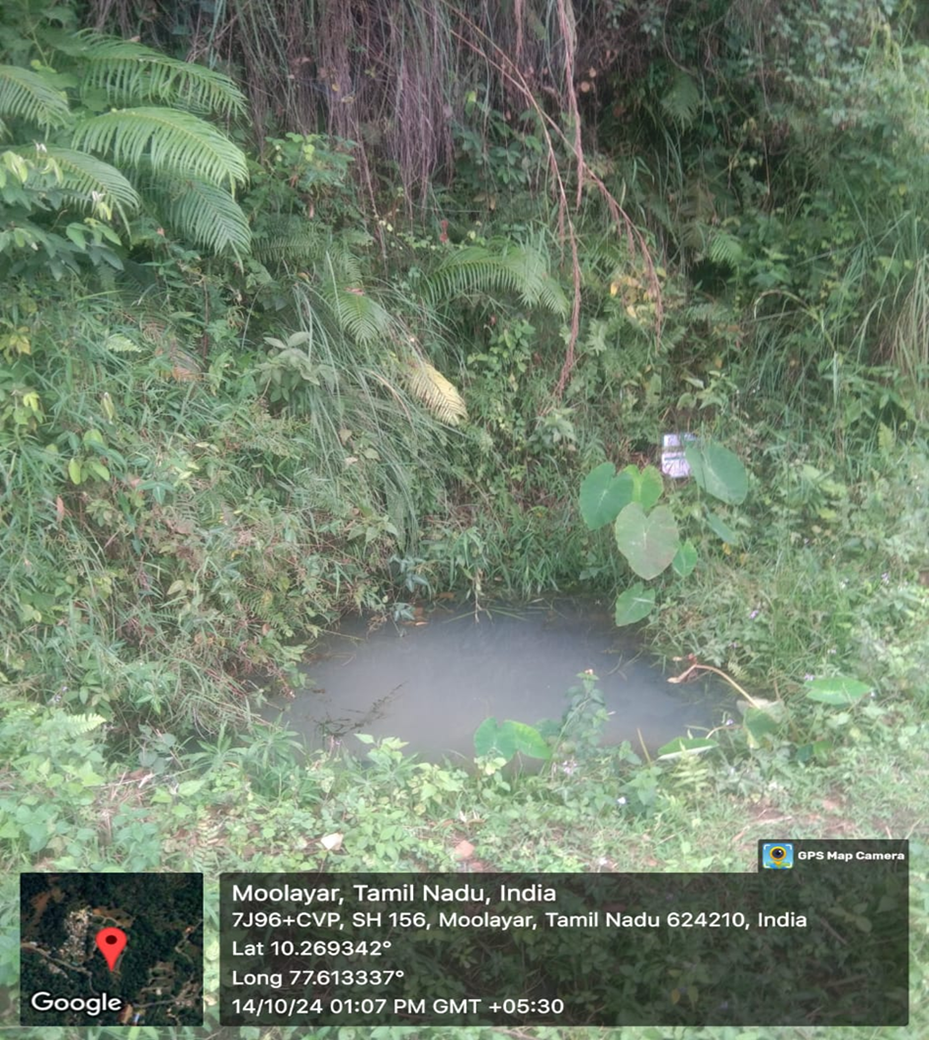
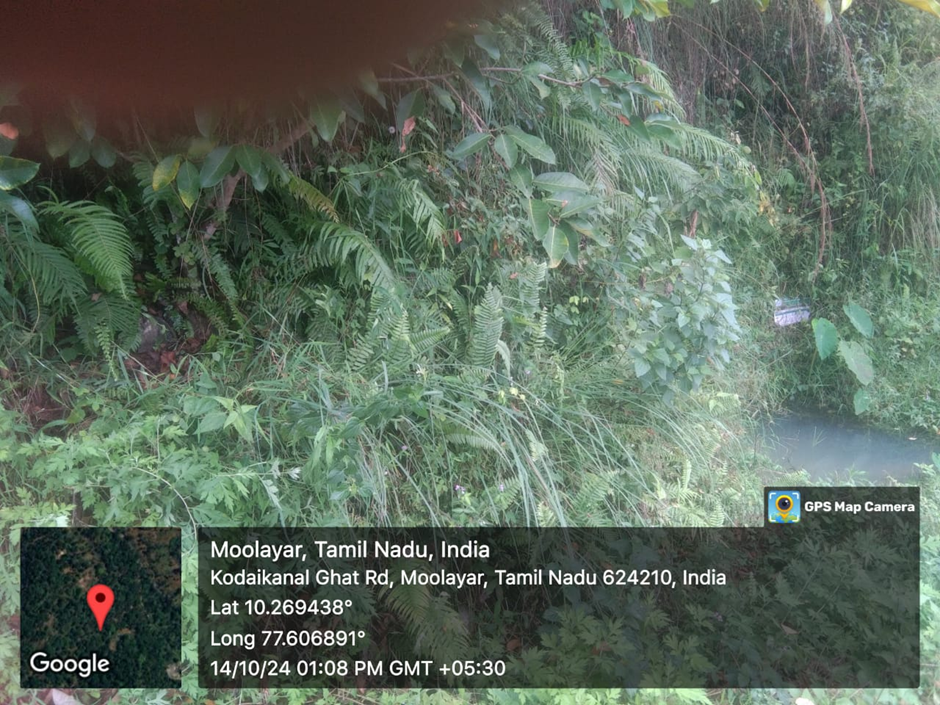
This water resource is located in Moolaiyur, on the way to Perumal Malai from Adukkam. It serves as a crucial source of drinking water for the Paliyar Tribal settlement. The Tribals have constructed a temple dedicated to their goddess, Saptakanni, in gratitude for this water source.
Empowering Communities: Adukkam
Adukkam, a historic hill village located at an elevation of 1,200mts on the southeastern slopes of the Palani Hills, lies within the Vaigai watershed basin and is administered under Kodaikanal Taluk. With documented history dating back to the 15th century AD, it is one of the oldest settlements in the region. Adukkam is known for its rich biodiversity, cultural heritage, and resilient communities.
The village comprises 110 families (approximately 510 individuals), the majority of whom are engaged in agriculture, practicing traditional slope and contour farming techniques. Major crops include bananas, oranges, jackfruit, coffee, beans and chow chow. Others work as daily wage labourers on nearby estates. Most residents belong to the Mannadiyar and Chettiyar (non-tribal hill) communities and fall under the Below Poverty Line (BPL) category.
Despite its natural endowments, Adukkam faces a range of developmental and environmental challenges:
- Poor road infrastructure and lack of public transport
- Frequent power outages despite 20 years of electrification
- Widespread open defecation due to lack of toilets
- Absence of a piped water supply; residents depend on distant forest streams
- Soil degradation due to overuse of chemical fertilizers
- Limited community participation in development processes due to livelihood pressures
To address these challenges, the Palani Hills Conservation Council (PHCC) launched the project “Conservation and Sustainable Management in Adukkam” in January 2025. The project was designed following a Participatory Rural Appraisal (PRA) conducted between December 2024 and January 2025, which helped identify community priorities and concerns related to water and sanitation.
Project Activities and Achievements: January to June 2025
From January to June 2025, PHCC implemented a series of impactful interventions aimed at improving water access, environmental sustainability, and community empowerment.
Formation of Village Development Committee (VDC)
A five-member VDC was formed to promote local ownership, guide project activities, and coordinate with PHCC.
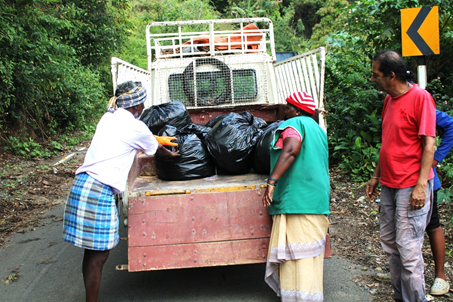
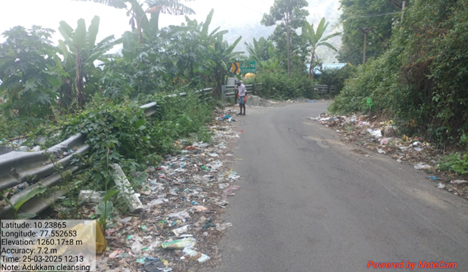
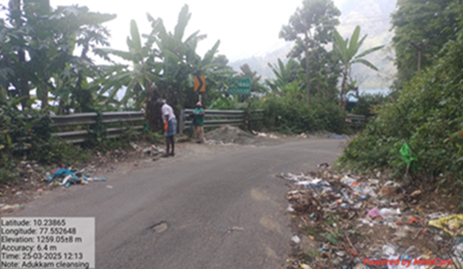
Program Launch & Garbage Removal Drive
The project was officially launched with a village-wide plastic waste removal campaign to improve sanitation and reduce environmental degradation.
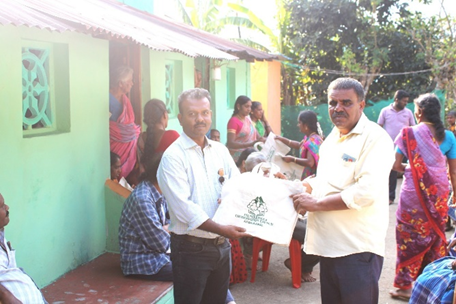
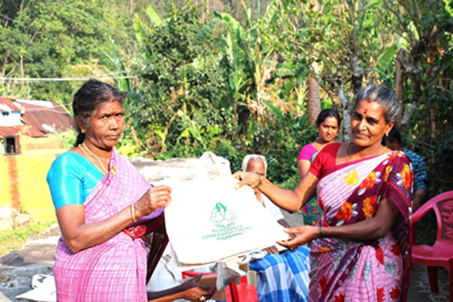
Cotton Bag Distribution & Plastic Awareness Campaign
Villagers received eco-friendly cotton bags and were sensitized to the harmful effects of plastic, encouraging the adoption of sustainable alternatives.
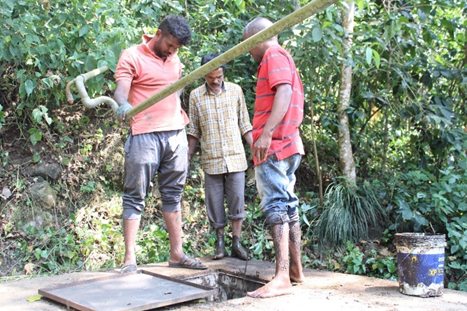
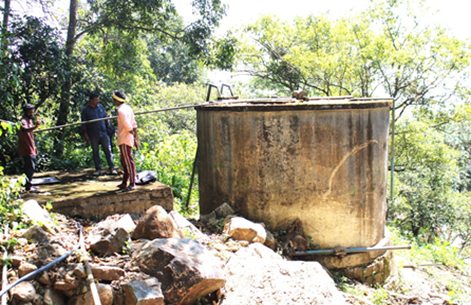
Cleaning of Drinking Water Tanks
Existing water tanks were thoroughly cleaned to improve water hygiene and reduce the risk of waterborne diseases.
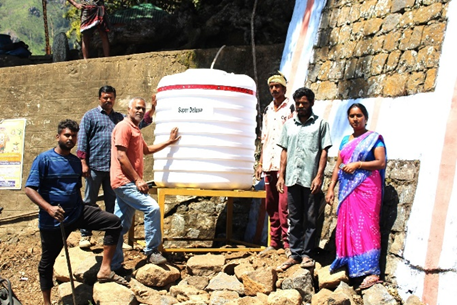
Installation of a New Drinking Water Tank
A new water tank was installed, ensuring better access to safe and clean drinking water for the village.
Sanitation Drive with Panchayat Sweepers
PHCC collaborated with panchayat sweepers to conduct regular garbage collection, maintaining cleaner village surroundings.
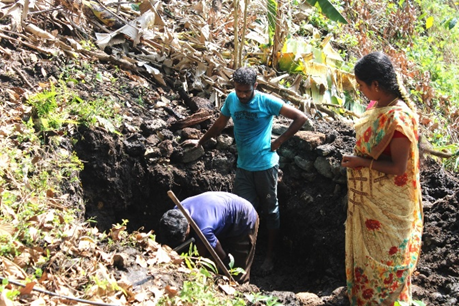
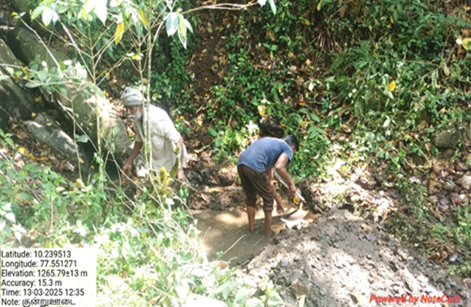
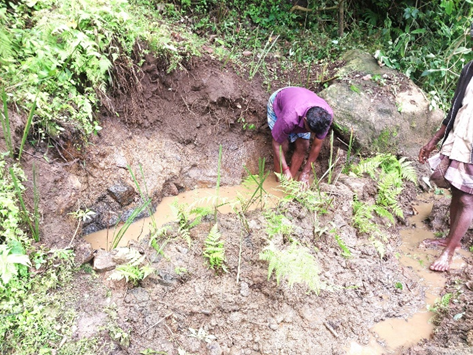
Restoration of Three Natural Springs
Three natural springs on private agricultural lands were identified and restored, enhancing the availability of water for both agricultural and domestic use.
Plantation of Marsh Saplings around Springs
Marsh saplings were planted around five existing and three restored springs to control erosion, recharge groundwater, and support biodiversity.
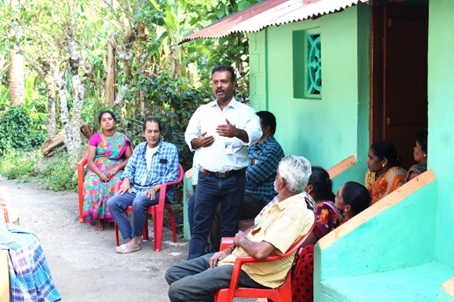
Training on Natural Indicators of Water Quality
Experts from Madurai Kamaraj University trained villagers on using insect indicators to assess water safety. Awareness sessions also covered:
- Solid waste management
- Plastic hazards
- Forest-based natural foods
12 dustbins were distributed to support better waste segregation.
Water Quality Testing Demonstration
Villagers participated in hands-on training to test 14 key water quality parameters, empowering them with scientific tools to monitor drinking water safety.
Impact and Community Engagement
The project brought about significant and measurable improvements:
- Strengthened community participation through the VDC
- Enhanced access to safe water for drinking and agriculture
- Restored ecological health around natural springs
- Increased awareness on sustainable and hygienic living
- Equipped villagers with scientific knowledge for ongoing water quality monitoring
Looking Ahead
PHCC remains dedicated to sustainable water resource management, ecological conservation, and community empowerment across the Palani Hills. The success of the Adukkam initiative highlights the power of community-driven, science-informed approaches to rural development.
“This initiative has brought clean water closer to our homes, improved our farms, and given us knowledge to protect it for future generations.”
— Shakthivel, Adukkam
Pictures of Activities
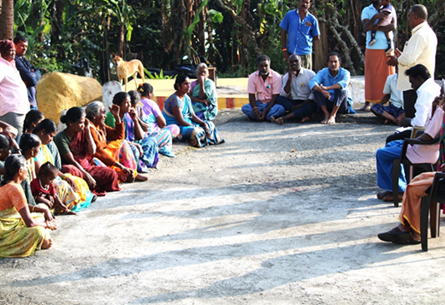
Garbage Removal:
Cotton Bag Distribution & Awareness Program:
Cleaning of Drinking Water Tanks:
Identification and Restoration of Three Water Springs in Private Agricultural Lands:
Garbage Collection with Panchayat Sweepers:
Installation of one New Water Tank:
Training on Identification of Drinkable and Non-Drinkable Water Using Insects:
Plantation of Marsh Saplings around Water Springs:
Demonstration of Water Testing Methods: